

Learning to Listen in the In-Between
In seasons of transition, the pressure to make decisions can come quickly. Yet clarity rarely appears through speed. Discernment invites us to slow down, listen carefully, and notice what is unfolding within and around us before deciding what comes next.
In seasons of transition, the instinct to act quickly can be strong. When roles shift, opportunities change, or familiar structures begin to loosen, many of us feel pressure to make decisions as soon as possible. We want to resolve uncertainty. We want to regain direction. But in many transitions, the wisest step is not acting—it is listening.
This is where discernment begins.
The Work of Discernment
Discernment is not passive waiting. It is attentive listening.
Listening to what is happening around you.
Listening to what is stirring within you.
Listening for the quiet invitations that may be emerging beneath the surface of change.
In transition, we experience the unraveling, but there is often more unfolding than we initially realize. Externally, circumstances may be shifting—roles, relationships, expectations, or opportunities. Internally, something may also be changing—your energy, your desires, your sense of purpose, or your understanding of what matters most in this season.
Discernment creates space to notice these movements before rushing to resolve them.
Naming What Is Shifting
One of the most helpful early practices in discernment is simply naming what you notice.
What feels unsettled right now?
What questions keep returning?
Where do you feel tension?
What seems to be ending—or beginning?
These questions are not meant to force immediate answers. They help bring clarity to what is already unfolding. Often, people assume they need solutions when what they actually need first is awareness.
Allowing Tension to Speak
Many transitions contain tension.
You may feel pulled between stability and change.
Between responsibility and freedom.
Between what has been meaningful and what may be emerging.
Our natural instinct is to eliminate tension quickly. But discernment invites a different posture: curiosity. Instead of asking, How do I fix this tension? we can begin asking: What might this tension be revealing?
Sometimes tension points toward growth.
Sometimes it signals misalignment.
Sometimes it simply reflects the complexity of the season you are walking through.
Discernment allows us to stay present long enough to learn from it.
Paying Attention to Patterns
As you slow down and listen, patterns often begin to appear.
You may notice certain conversations energize you while others drain you.
Certain ideas or possibilities keep resurfacing.
Certain longings feel more persistent than they once did.
These patterns are often clues. They do not yet tell you exactly what to do next. But they begin to point toward what may matter most in the season ahead. Discernment gathers these clues before moving toward decisions.
A Simple Practice for the In-Between
In my coaching conversations, I often invite people in transition to create small rhythms of reflection.
This might include:
• journaling what you are noticing each week
• bringing your questions into prayer
• paying attention to what brings energy or resistance
• having thoughtful conversations with trusted companions
I’ve also created a simple tool called the Navigating the In-Between Reflection Guide, designed to help people name what they are noticing during seasons of change.
You can download the free Reflection Guide here.
The guide isn’t meant to produce quick answers. It simply helps you listen more carefully to the season you are in. And that kind of listening often becomes the foundation for wiser decisions later.
The Next Step in the Journey
Discernment helps us slow down long enough to understand the season we are walking through. But as patterns begin to emerge, another question naturally follows: What does this season reveal about what matters most now?
In the next reflection in this series, we’ll explore the second movement of the pathway:
Discover — clarifying the needs, values, and deeper motivations that guide our direction forward. Because once we begin to see more clearly what matters most, the next steps in transition often become easier to design.
For Reflection…
What have you been noticing in this season of transition that might be worth paying closer attention to?
Tim
P.S. If you’re someone who regularly walks alongside others in seasons of transition—as a coach, counselor, mentor, or leader—I’m hosting a live webinar called Walking with People in Transition where I share practical frameworks and tools for these conversations.
And if you’re navigating a transition of your own, sometimes the most helpful next step is simply a thoughtful conversation. I’m always glad to connect.
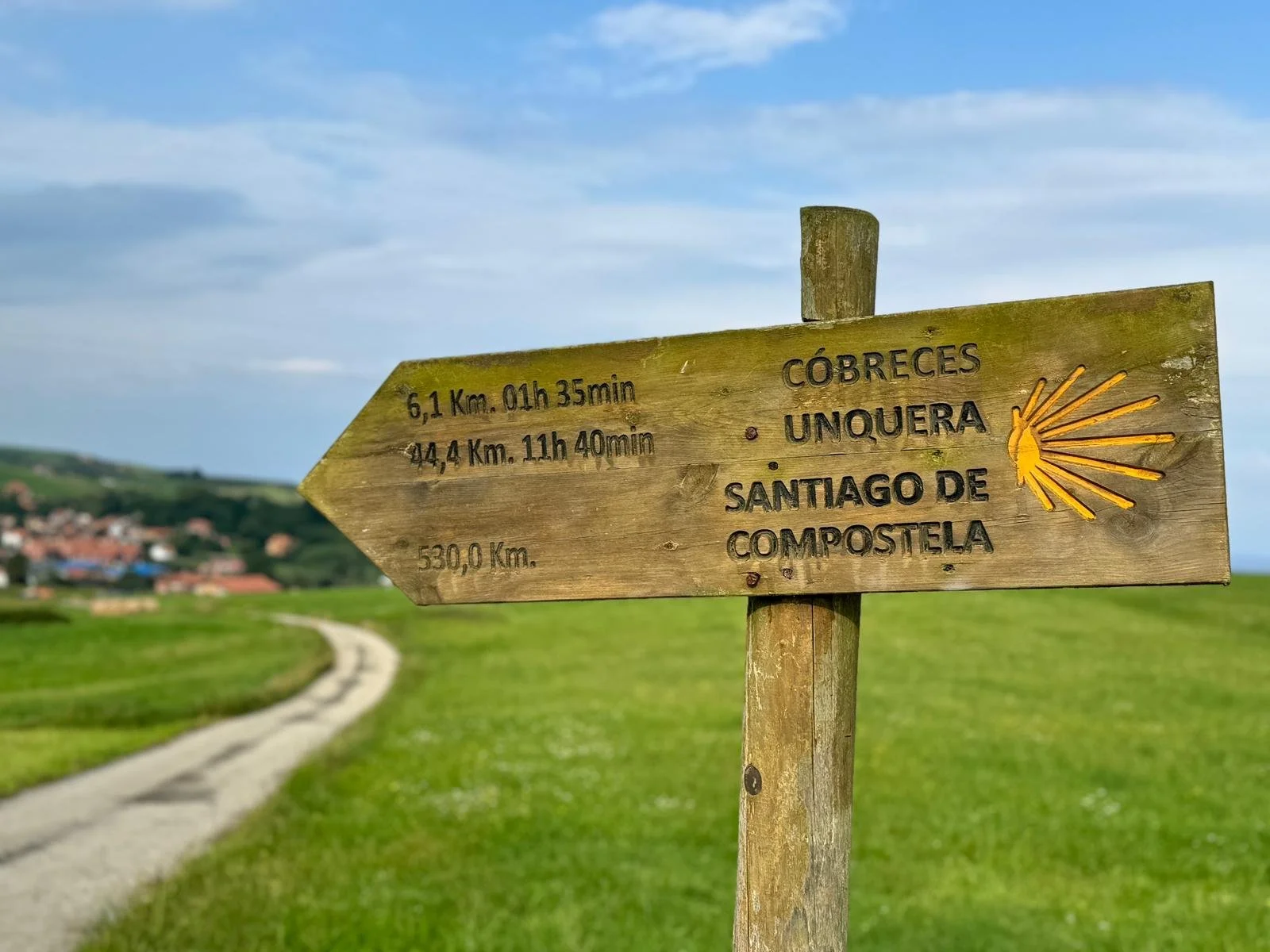
Why Discernment Must Come Before Decisions
When life enters a season of transition, our first instinct is often to ask, “What should I do next?” But wise decisions rarely come before discernment. In this opening reflection of a new series, I introduce a simple pathway—Discern, Discover, Design—for navigating life’s in-between seasons with greater clarity and care.
When people enter a season of transition, one question often rises quickly to the surface:
What should I do next?
It’s an understandable question. When life feels uncertain, we naturally want clarity. We want direction. We want to know which path forward is the right one.
But over the years of walking with leaders through seasons of change, I’ve noticed something important. The question “What should I do next?” often comes too early.
In transition, decisions rarely bring clarity first. More often, clarity grows through discernment. While movement is a necessary part of transition, it is often rushed into prematurely.
The Problem With Rushing to Decisions
When a role changes, a ministry ends, a career shifts, or a new season begins, we often try to move quickly toward resolution. We search for answers, weigh options, and attempt to determine the “right” decision as soon as possible.
Yet transitions rarely cooperate with that timeline. They stir deeper questions beneath the surface:
Who am I in this season?
What is changing in my life or leadership?
What still matters most?
What might God be inviting me to notice?
If we rush past those questions, we risk making decisions before we truly understand the season we are in.
A Different Way Through Transition
Over time, I’ve come to see transition less as a problem to solve and more as a process to walk through thoughtfully. That process often unfolds in three movements:
Discern → Discover → Design
Each step builds on the one before it.
Discern invites us to slow down and listen — to pay attention to what is shifting around us and within us.
Discover helps us clarify what matters most — our needs, values, identity, and calling in this season.
Design allows us to begin experimenting toward the next chapter with thoughtful, values-aligned steps.
Instead of forcing clarity too early, this pathway helps clarity emerge over time.
Why Discernment Comes First
Discernment creates space.
Space to notice patterns.
Space to name tensions.
Space to reflect honestly before acting quickly.
Many capable leaders struggle in transition not because they lack wisdom, but because they try to move directly to decisions without first understanding the season they are in. Discernment slows the process just enough for deeper clarity to form. And that clarity often becomes the compass that guides the next step.
The Journey Ahead
Over the next few weeks in this series, I’ll explore each stage of this pathway in more depth:
Discern — learning to listen carefully in the in-between
Discover — clarifying needs, values, and identity in a changing season
Design — experimenting toward the next chapter with thoughtful steps
Transitions can feel disorienting, but they can also become meaningful seasons of clarity and growth when we learn to navigate them well.
And it begins with discernment.
—Tim
P.S. If you regularly walk alongside others in seasons of transition — as a coach, mentor, leader, or trusted friend — I’m hosting a live webinar called Walking with People in Transition where I share practical frameworks and tools for these conversations.
You can learn more and register here:
https://encompasslifecoaching.podia.com/walking-with-people-in-transition-live-webinar-may-2026
And if you’re navigating a transition of your own, sometimes the most helpful next step is simply a thoughtful conversation. I’m always open to connecting.

You Don't Have to Process Transition Alone
Transition can feel uniquely isolating — even for capable leaders. While frameworks and clarity matter, discernment deepens in conversation. This final reflection explores why you don’t have to navigate change alone.
There is something uniquely isolating about transition.
Even capable, well-supported leaders often find themselves quietly carrying questions they don’t voice out loud:
Am I reading this season correctly?
What if I disappoint someone?
What if I get this wrong?
Transition stretches identity, responsibility, and belonging. It asks us to hold tension without rushing resolution. And even when we understand the frameworks — the curve, the impact, the tensions — there is still the lived experience of walking it out.
That’s where many people grow tired. Not because they lack wisdom. But because they are trying to process and arrive at clarity alone.
Discernment is not meant to be a solo activity.
It deepens in conversation.
It steadies in reflection with another.
It clarifies when someone asks a wise question at the right time.
Over the past few weeks in this series, we’ve explored:
How to recognize a true season of transition
How change impacts multiple areas of life
Why good decisions still feel hard
Why clarity often follows movement
All of those tools matter. But they are most powerful when held in shared space.
If you regularly walk alongside others in transition — as a coach, pastor, leader, or friend — I’m hosting a 90-minute live webinar on May 19th designed to equip you with practical frameworks and deeper understanding for these seasons.
And if you yourself are navigating change, sometimes the next intentional step isn’t a new strategy — it’s an honest conversation.
You don’t have to process this season alone.
—Tim
P.S. If the May 19th Walking with People in Transition webinar would serve you or someone you support, you can learn more and register here.
And if you’re sensing that this season deserves more focused attention, I’m always open to a conversation about 1:1 coaching.