
Finding What’s Next: Creating New in Life’s Transitions
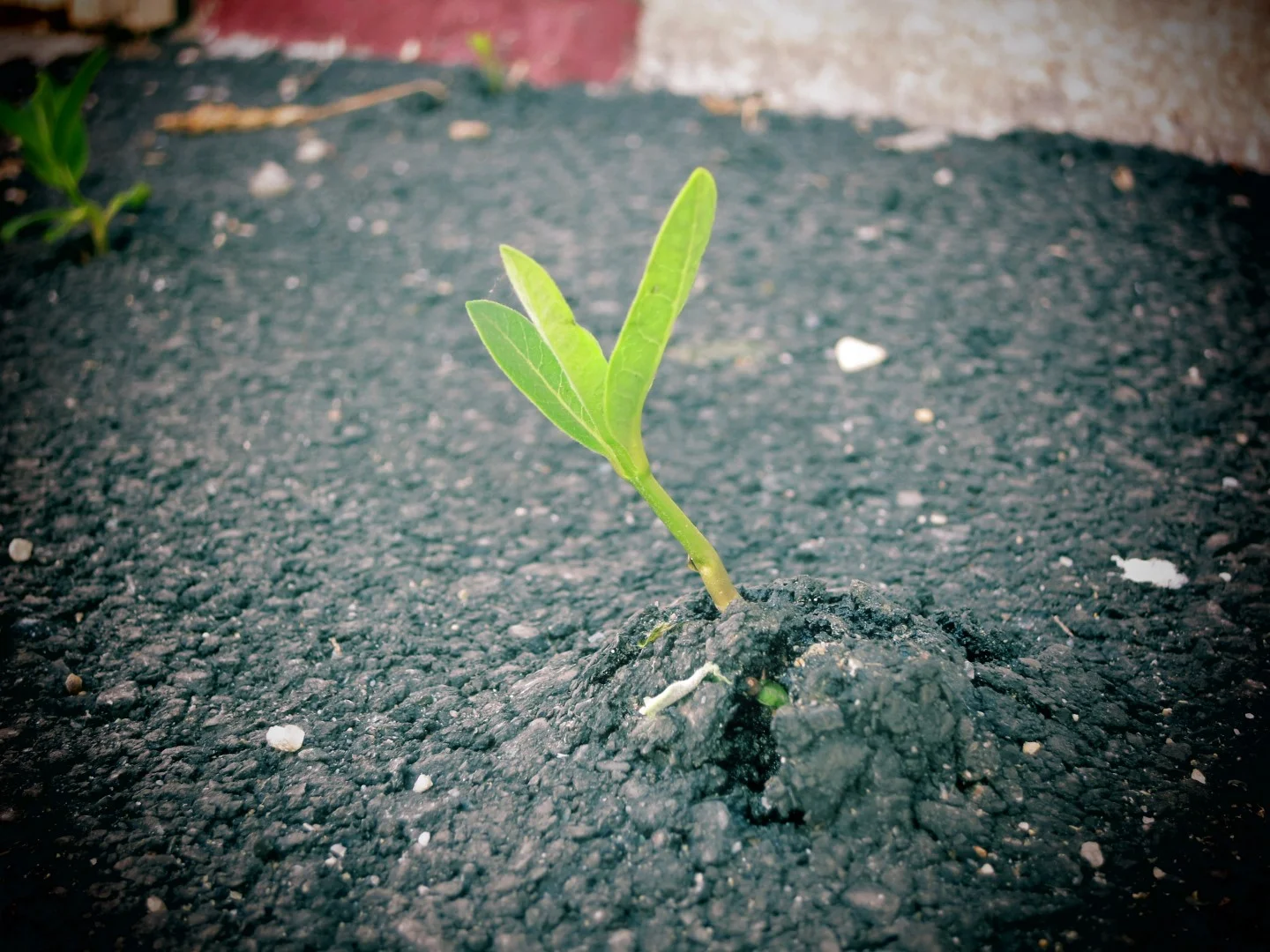
Transition is an invitation to discovery. But it often feels like uncharted territory. When we lean into the discomfort of change, trusting that God is leading us, something beautiful emerges.
Life’s transitions can feel like stepping off a map into uncharted territory. Whether you’re facing the end of a ministry season, stepping away from a career, or simply sensing a stirring for something more, these in-between times can be both unsettling and full of potential. Even with the start of a new year, in some ways we get the gift of a blank canvas to work with. But we’re not sure where to start. Been there? I sure have!
I know how it feels to be stuck in the messy middle—uncertain about what’s next but unable to go back to what was. It’s disorienting and, at times, lonely. But it’s also where God does some of His most profound work in us. These “clean slate” moments come with an invitation to discern, discover and design something new in partnership with the Creator Himself!
In my own seasons of transition, I’ve found that clarity comes when I take time to pause and reflect on what matters most. What are my core values in this season? What do I need to thrive—spiritually, emotionally, and practically? These questions have become anchors for me, guiding me through the fog of uncertainty.
But clarity isn’t the end goal. It’s the launchpad. The next step is about creating—taking bold, faith-filled actions toward what’s next. It’s not always easy, but it’s worth it. I’ve seen this in my own life and in the lives of the leaders I coach. When we lean into the discomfort of change, trusting that God is leading us, something beautiful emerges.
If you’re in a season of transition, I want to encourage you: You’re not alone. There’s a path forward, and it begins with taking a step. Over the coming weeks, I’ll be sharing more about how to navigate these in-between moments, rediscover your purpose, and step boldly into what’s next.
For now, let me leave you with this: What if this transition isn’t just about what you’re leaving behind? What if it’s about what you’re being called to create?
Take a moment to sit with that. Reflect on it. Then form the thought into a prayer, maybe something like “God, what’s the new You’re inviting me into?”
And when you’re ready, I’d love to hear what’s stirring in your heart.
We’re in this together.
-Tim

Creative Conversations
Just as the warmth of Spring triggers the onset of new growth, internal and external change can be the impetus for creative seasons in our lives. How we leverage these seasons of change can make all the difference. Creative conversations play a big part in the process.
The creative middle…that’s what I call the place between endings and new beginnings.
It’s that often overlooked space in transition seasons which holds some of the biggest potential for discovery and growth. If we leverage the creative middle wisely and engage it fully, we’re most likely to meet with success on the other side. If not, we miss out on some wonderful opportunities to co-create an ideal future in partnership with the Alpha and Omega…God Himself.
Transition triggers the creative process like nothing else can.
Just as the warmth of Spring triggers the onset of new growth, internal and external change can be the impetus for creative seasons in our lives. How we leverage these seasons of change can make all the difference. Creative conversations play a big part in the process.
Creative conversations…
What are they? What do they look like? Are you having them?
Creative conversations are ones that challenge us to think outside of perceived limitations and boundaries. They inspire us to experiment with new ways of believing, being, and doing. They cause us to see some situation -a crisis or conflict for example- from a new angle. They open our eyes to what could be. When we’re fortunate enough to have them, creative conversations can be the impetus for renewed hope and resolve.
Reflect on a time when you had a creative conversation with someone at a critical moment or crossroads in your life. What was the impact?
As I work with fellow transitioners, I’ve become convinced that some kind of consistent processing over a season is the key to successful transitions. I’m not simply talking about one-off conversations. These conversations can be inspirational and challenging, but with no follow-up or follow-through, we can stay stuck.
While navigating some personal life and ministry transitions, I’ve learned the value of consistent coaching sessions to keep me fully engaged in the creative process. If you’re not benefiting from consistent, creative conversations in your season of change you could be feeling alone, isolated, discouraged or confused. You could be stuck!
Coaching and Creative Conversations
Hiring a coach, particularly one in touch with your unique needs, can be a great way to break out of the isolation and start some creative conversations. A good coach is trained in the art of asking great questions and facilitating a structure around those questions to help you consider all the components of a healthy transition.
There are multitudes of titles connected to coaches these days: life coach, executive coach, health and wellness coach, transformational coach…and the list goes on. I often refer to what I do as transitions coaching, but in reality I’m a life coach who happens to be passionate about coaching around life purpose and transitions. Get the idea? We could spend a lot of time discussing what a life coach does and doesn’t do, but I often say the best way to learn is by experiencing coaching first-hand!
When transition first triggers a creative process, it can feel more like confusion than opportunity. Something is upsetting the norm, and we’re not sure what to think about it and how to respond to it.
I recently coached a missionary whose overseas assignment was coming to a close. He wanted to engage the creative opportunity as part of the shift, particularly in the area of pursuing a writing career. Our series of coaching sessions lasted several months. As one creative conversation built upon another, confusion ultimately gave way to confidence as he began to see the creative writing process as an extension of his calling.
When someone dedicated to your personal growth and professional success expresses belief in you as a person with God-given creative potential, the borders begin to expand. We begin discovering creative opportunities to live out our life callings. This is the role of a great coach.
Interested in getting coached? Here’s some tips to get you started…
Find the Right Coach for You
Whether you’re part of a business or ministry, inquire about the possibility of in-house coaching. If available, is it right for you? Or would you benefit from working with a coach somewhat more removed from your organizational and/or ministry context? You may also want to ask around for recommendations. It’s very likely that someone in your circle has benefited from working with a coach and would love to give you a referral.
Take your time and talk to a few potential coaches personally if you can. Get a feel for what they offer and what they’re passionate about when it comes to coaching. Some coaches offer complementary discovery calls, which serve to give both client and coach an opportunity to determine if the coaching relationship will be a good fit.
What will it Cost?
Funding personal coaching may be a concern when money is tight. Here’s some thoughts and suggestions…
Inquire with your HR department about helping to fund a season of personal coaching. Convinced that hiring a coach can be a great step toward personal and professional development, some businesses and non-profits are ready to invest in this way. At the very least, your inquiry could raise awareness of the need and spark a dialogue.
Always keep in mind that working with a great coach will be well worth the time, effort and any out-of- pocket expenses you may incur. Therefore coaching should be viewed as an investment, a means of stewarding our life callings well.
In summary, a great coaching relationship will challenge you to be your best and to live up to your God-given potential. It will require courage and intentionality on your part. What impact could a season of creative conversations with a coach have in your life right now? Are you ready to find out? Schedule a call HERE.
Source Image: https://www.newhope.com/business-resources/authenticity-workplace-starts-conscious-conversations
Resilience, Trauma and Transition
Resilience helps us thrive and grow through and beyond traumatic events. When we are resilient, we know how to approach and handle a crisis situation. But we also know how to adapt and grow on the other side of crisis. Resilience is also a key ingredient to successful transitions.
Have you ever marveled at the multitude of defense mechanisms and coping strategies built into the natural world? Creatures and the various ways they cope is nothing less than amazing. More than that, the process is absolutely necessary for survival.
As a boy growing up, I loved catching lizards in the rocky foothills near my home. It was the perfect terrain for these little creatures. I’d sneak up from behind and snatch them off rocks. I’d hold them in my bare hands and check out their scales and coloring, annoy them for a while, then finally let them go. I recall times when a captive lizard would drop its tail - literally its tail would fall off and wriggle by itself on the ground while I continued to hold the poor, tail-less reptile. I later discovered why this tail-dropping phenomenon happens.
The lizard drops it tail under extreme stress.
The tail serves as both a defense mechanism and a distraction for predators.
The lizard may be vulnerable and appear awkward while learning to maneuver without its tail.
The tail eventually grows back and the lizard suffers no ill effects.
It’s worth noting that this defense mechanism works great when the predator attacks from behind, not so good when the lizard faces its enemy head-on!
Resilience and Trauma
Resilience, however, goes beyond survival. It’s the ability to recover, learn and grow following a traumatic event. Resilience recognizes the fact that one may need to unlearn certain coping and defense behaviors which may not be healthy long-term solutions. In other words, not all coping strategies are healthy or productive long-term.
What happens to you when you feel stressed? What does your body tell you to do? What are your go-to responses?
We all have certain default reactions and behaviors which we have used to survive a traumatic event? But are these adaptable to long-term resilience? While some approaches to personal survival can be useful in the moment of crisis, these same behaviors may actually sabotage one’s ability to thrive when life levels out to a new normal.
Example: You avoid public places and crowds due to a terrorist threat in your host country. Months later the crisis has passed, but you are still isolating yourself in your home for long periods of time, fearful of going outside. While staying home much of the time may have been a necessary survival skill when the threat was high, this is no longer a viable option. Resilience discerns the difference and adapts accordingly.
Resilience helps us thrive and grow through and beyond traumatic events. When we are resilient, we know how to approach and handle a crisis situation. But we also know how to adapt and grow on the other side of crisis.
Resilience and Transition
Resilience is also a key ingredient for successful transitions. Big transitions can bring about a great sense of loss. Like the lizard losing its tail, transition can cause us to feel crippled for a season while we regroup and settle into a new environment.
Two and a half years ago my wife and I made a decision to resign a ministry position after 20 years of service. Like the Iizard losing its tail, it felt like some part of my life had “fallen off.” After informing leadership of our decision to transition I said to my wife, “I feel like I just cut off my right leg.” I felt awkward and vulnerable, without a clear path ahead. Thus, the way of transition!
Transition requires navigating uncharted territory without the familiarity and access to resources we had before. And that feels intimidating. We may even be tempted to return to the place we were before the transition and subsequent feelings of loss. The great news is that there is life on the other side of transition.
Resilience and Your Story
“Resilience… is not simply bouncing back to a previous level of functioning. It is a matter of incorporating trauma into our personal and collective narratives.”
The human ability to recover and continue growing and overcoming is incredibly awe inspiring when you think about it. When you couple this with God’s redemptive power and creative plan as the Author of our lives, there is no telling what is possible. One writer puts it this way…
“For I am convinced that neither death nor life, neither angels nor demons, neither the present nor the future, nor any powers, neither height nor depth, nor anything else in all creation, will be able to separate us from the love of God that is in Christ Jesus our Lord.”
What’s your personal narrative? Need help reaching your potential for greater resilience in the New Year?
Begin your journey toward greater resilience. Schedule a discovery call now.