

Transition and Memory Lane
What are some potential transition-triggers in your life? How might these be opportunities for renewed perspective and growth?
“A planned journey is an oxymoron.”
If there has been one reoccurring theme in my life through the years, it is transition. When our children were young, I think we had learned to cope well, even thrive, during seasons of change. We did transitions together as a family. Pack the boxes, say the goodbyes, kiss the cat one last time, board the plane. Altogether now! We may have been moving to a new country, new house, new school, new community – or all four. But we did the new thing together.
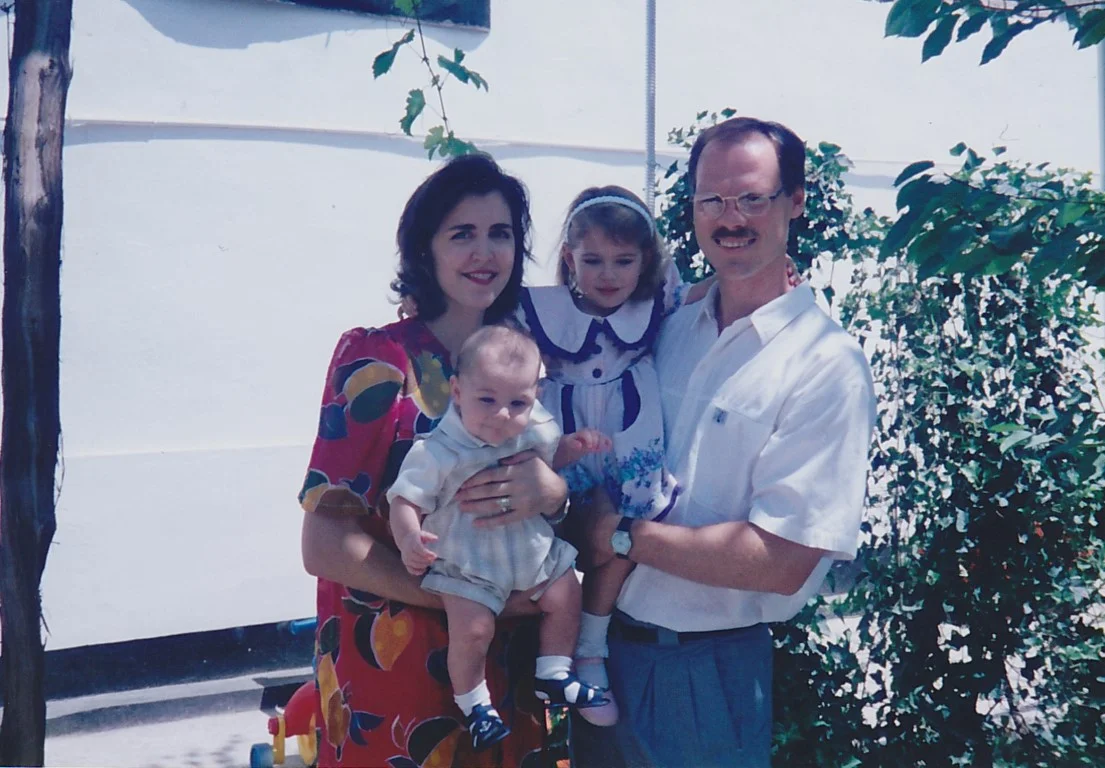



Fast forward to here and now. My oldest daughter lives in Southern California and will be graduating from university in December. My son is busy submitting college applications, planning to attend university next year somewhere near his older sister. Our youngest daughter is an 8th grader at an International School in Istanbul where we currently reside.
I often feel like I’m hanging on by my fingernails to the cliff of my fragile existence in Istanbul, Turkey. There are so many variables, potential transition triggers, which could pull me away and thrust me into yet another transition. War and unrest. A denied visa application. A crisis in the family. Transition never looks the same, and each one comes with its own complex set of challenges.
The good news is that each transition is custom designed by my loving Father for my growth. I’m learning to trust God during these seasons of change. I’m reminded that transition is not to be defined as chaos. When we walk with the sovereign Lord of the universe and lover of our souls, transition is purposeful because He is a God of purpose.
“Transformation is the true destination of transition...”
What unique set of challenges is your transition serving up? What opportunities for growth might you be missing? Need some perspective? Connect with a qualified transitions coach HERE.
GET UPDATES!

The Transition Curve
While life is full of challenging transitions, cross-cultural transitions are the mainstay of global workers. I'm always looking for tips at navigating transition successfully. Here's a few I've gathered along the way:
Two-lane highways in Northern California Mountains where I grew up can be thrilling and beautiful to drive. As you wind your way through canyons and along rivers, the views can be breathtaking. The journey, however, involves some level of risk. Any number of mishaps are possible. You have to change the way you normally drive.
In a similar way, significant life transitions require an altogether different kind of navigating. Our default strategies aren't always sufficient to get us through the challenges. Vision is impeded by unexpected twists and turns. We may need to increase our level of alertness and add some new skills in order to avoid getting stuck in some ditch or, worse yet, driving off a cliff!
While life is full of challenging transitions, cross-cultural transitions are the mainstay of global workers. I'm always looking for tips at navigating transition successfully. Here's a few I've gathered along the way:
Stay Alert to Obstacles. When I was growing up, a visit to Grandma's required a 3-hour drive on roads which snaked their way through the mountains. From time to time we would pass signs which warned, "Falling Rock." My dad had this 9 year old convinced that I should be watching out for the man Falling Rock, a wandering Indian chief. I've since learned that I should have been looking out for rocks falling onto the road from the cliffs above us.
What are some of your falling rocks in the middle of the road of transition? Some of us are prone to neglect rest and reflection. Others find it hard to prioritize or concentrate. Still others get stuck in the past, while some forge ahead without healthy closure. For me, impatience is a constant rock in the road. Any of these can become potential obstacles to navigating a successful transition. Simply being aware of the places we are vulnerable increases our chances of success.
Adjust Your Speed. Blind spots are natural hazards along the road of transition. We can't avoid them, but we can protect ourselves from unnecessary risk by slowing down and thinking through the next big decision. Have I adjusted my speed? What will make me feel more confident as I head into this change? Persistent prayer and time with God? More time to reflect? Processing with a trusted friend, mentor, coach or counselor? These are just a few important ways to steer your transition forward without collision.
Avoid the Drift. My dad was not only notorious for driving too fast around the curves; he was also a drifter. As the road got long, the urge to close his eyes would overtake him. Then everyone in the car would feel a sudden jolt as he corrected the vehicle back onto the lane. My mom would look over and ask, "Do you want me to drive?" Rather than give up control of the wheel, his answer was to open the window for some cold air and turn up the country music which was already blaring from the radio.
When I find myself having to navigate transition, I always have a choice: remain alert or fall asleep. One requires some intentionality. The other gives way to the confusion and chaos often characterized by the transition itself. A way to avoid this transitional drift is through intentional goal setting. Goal setting in transition is a purposeful activity in seasons where we often struggle to find meaning and purpose. Depending upon where we are on the transitional curve, we may or may not be able to set certain goals. But we can at least set some short-term ones that keep us moving down the right lane and going the right direction.
Pull off to the Side. Some of my biggest regrets during transition have revolved around missed opportunities with God, my family and friends. The problem was with my perspective. I was seeing transition as an obstacle to pass through as quickly as possible, rather than an opportunity to experience God more deeply and make some memories with the ones I love.
From time to time the road you are traveling will ease out of the canyon, straighten out, and give you an extra lane to allow for safe passing. Passing is not a requirement, it's merely allowed. Why hurry and miss the beauty of it all? Pull off to the side from time to time, let the confused and careless pass you by, and savor some time for reflection.
Get help with your transition HERE

Transition Talk
Conversations during seasons of transition have the potential to become volatile. We may go into a meeting with the best of intentions, but the insecurity and anxiety connected with transition can trip us up, and before we know it we are saying things we regret.
“Do not let any unwholesome talk come out of your mouths, but only what is helpful for building others up according to their needs, that it may benefit those who listen.” -Ephesians 4:29 NIV
Conversations during seasons of transition have the potential to become volatile. We may go into a meeting with the best of intentions, but the insecurity and anxiety connected with transition can trip us up, and before we know it we are saying things we regret.
This same insecurity and anxiety causes others to withdraw. Whether the conversation is with a family member, friend, co-worker, or simply the clerk at the grocery store, we can find ourselves preoccupied and disengaged. We turn inward, feeling like the present has no real purpose. Mentally and emotionally we are already on to the next thing, whatever that is.
When these become our default responses in transition conversations 1) the talks we should have never occur because avoidance is easier in the short-term, or 2) the conversation takes place, but has a negative outcome for both parties. Either way, successful transition is hindered because of a short-term approach.
A great goal to have for healthy transition is to maintain a long-term perspective. If you are the one leaving, ask yourself, Could I circle back to these relationships 5 years from now? 10 years from now? Project yourself into that situation. How do you want your next encounter with this individual to feel?
If you are the one staying you might ask, How do I feel about our relationship? What could make it better? When it comes time for me to make a transition, how would I like to feel upon my departure? How can I help this person feel that way?
This long-term approach can give us the motivation we need to invest in life-giving conversations, even through difficult transitions.
So, how does transition impact your social skills? Are you more likely to speak out of impatience or anger? Or would you prefer to crawl into your transition "shell", never to be seen again? Either way, with some long-term thinking, some great counsel from God's word, and a shot of courage, you can successfully navigate your transition, and help others to do the same.
What would it look like to see each conversation as an opportunity to affirm and encourage some really significant people in your life? Ephesians 4:29 sets the backdrop for a really great conversation to take place, even during high stress transition times. When coupled with David Pollack's RAFT model for healthy transitions, the potential is there to transform transition conversations into what they should be: AFFIRMING.
Need help navigating your transition? Go HERE.